
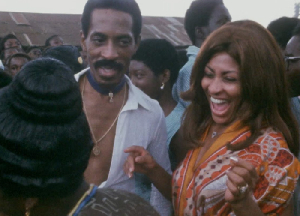
The 1971 documentary film Soul to Soul remains one of the most remarkable cultural moments linking Africa with the African diaspora. The film documents a historic music concert held in Accra, Ghana, on March 6, 1971, as part of celebrations marking the country’s Independence Day anniversary.
The event brought together some of the biggest African American music stars of the era, who travelled to Ghana to perform in what was widely viewed as a symbolic return to the ancestral homeland. The concert took place at Black Star Square in Accra and featured a blend of American soul, jazz, rock, gospel, and traditional African music performed before a massive audience.
The documentary was directed by Denis Sanders and released later in 1971. It captured both the live concert performances and behind the scenes moments showing the visiting artists interacting with Ghanaian culture and local communities in the days leading up to the event.
Several prominent musicians participated in the historic concert. Among the performers were Wilson Pickett, Ike and Tina Turner, Santana, Roberta Flack, The Staple Singers, Voices of East Harlem, Les McCann, and Eddie Harris. Ghanaian artists and cultural performers also took part, highlighting the shared musical heritage between Africa and African American communities.
The concert was significant not only for its music but also for its deeper cultural meaning. During the late 1960s and early 1970s, many African Americans were increasingly exploring their African heritage and identity. Ghana, the first sub-Saharan African country to gain independence from colonial rule in 1957, had become a powerful symbol of Black pride and Pan-African unity.
The idea for the concert reportedly emerged in 1970 when filmmakers and cultural promoters proposed staging a major music festival in West Africa. Their goal was to create an African version of large Western music festivals such as Woodstock while celebrating the connection between African Americans and the continent of their ancestors.
Thousands of people attended the event, with crowds arriving hours before the concert began. Despite technical delays, the performances lasted through the night, turning the occasion into an unforgettable celebration of music, culture, and shared history.
Although the film initially had limited commercial success after its release, it later gained recognition as an important historical record of Black cultural unity. The documentary was restored decades later as part of efforts to preserve influential music films and has since been reintroduced to new audiences interested in African and African American cultural history.
Today, Soul to Soul stands as a powerful reminder of a historic moment when artists from the African diaspora returned to Ghana to celebrate identity, heritage, and the enduring influence of African culture on global music.