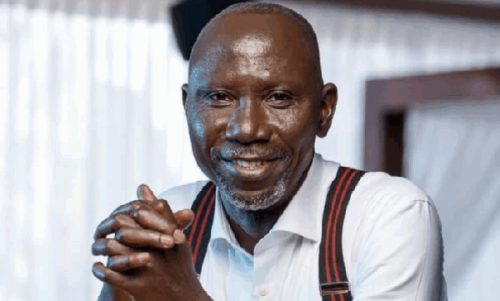
Renowned Ghanaian playwright and motivational speaker James Ebo Whyte, popularly known as Uncle Ebo Whyte, has argued that Ghana’s biggest challenge is not colonialism but a mindset he describes as “Okukuseku.”
According to him, the term symbolises negative attitudes and behaviours among Ghanaians that often hold the country back from achieving meaningful progress. He believes these attitudes play a bigger role in the nation’s challenges than the lingering effects of colonial rule.
Speaking about the issue, Ebo Whyte explained that “Okukuseku” represents habits such as dishonesty, selfishness, lack of accountability, and the tendency to undermine one another. In his view, these behaviours continue to affect institutions, leadership, and everyday interactions within society.
He stressed that while colonialism did influence Africa’s historical development, constantly blaming it for Ghana’s current problems prevents the country from confronting the real issues within its own systems and attitudes.
The playwright further noted that national transformation requires a change in mindset among citizens. According to him, meaningful progress will only happen when individuals take responsibility for their actions and work collectively toward building a better society.
Ebo Whyte also emphasised that development is not only about government policies but also about the everyday behaviour of citizens. He believes that issues such as corruption, poor work ethics, and disregard for national interest often stem from attitudes that must be addressed at both personal and societal levels.
The celebrated theatre producer encouraged Ghanaians to focus on changing these behaviours rather than relying solely on external explanations for the country’s struggles.
Ebo Whyte, who is the founder of Roverman Productions and a respected voice in Ghana’s theatre industry, has long used his platform to discuss social issues and encourage personal and national transformation.
According to him, confronting the mindset he calls “Okukuseku” is essential if Ghana hopes to achieve lasting development and national progress.