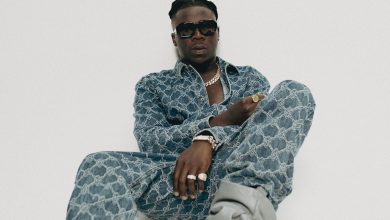

Ghanaian music star Stonebwoy has revealed that the decision by the National Democratic Congress (NDC) to adopt his hit song Jejereje as a campaign anthem created tension between his team and his music label. The song, which became a fan favourite after its release, took on a new life when the opposition party used it during political rallies ahead of Ghana’s 2024 general elections.
In a recent interview, Stonebwoy explained that he did not initially give permission for the track to be associated with any political movement. According to the artist, the political adoption of Jejereje placed his management and record label in a difficult position because it blurred the boundaries between his art as entertainment and the song’s use in a partisan environment. The situation led to strained relations with his label, which became concerned about how the association could affect his broader market appeal and brand reputation.
Jejereje, which Stonebwoy released as part of his music catalogue, had already enjoyed strong commercial success and widespread popularity across Ghanaian airwaves before the election period. However, when the NDC incorporated it into their campaign playlist, the interpretation of the song shifted for many listeners, especially politically active supporters on both sides of the national divide. Stonebwoy noted that music can be powerful in uniting people, but it can also be misused or interpreted in ways artists did not intend.
The star expressed concern that the situation sparked debate among fans and industry professionals about the role of musicians in political discourse, and whether hit songs should be appropriated by parties seeking public support. Music industry observers say that Jejereje truly resonated with audiences because of its energetic rhythm and relatable lyrics, factors that often make popular songs attractive for political events regardless of the artist’s consent. They also point out that many Ghanaian artists have in the past faced similar challenges when their music was used during campaigns.
Stonebwoy’s record label is known for handling his musical releases and partnerships professionally, and the reported strain reflects broader concerns within the industry about how political use of creative work can affect artist careers. While Stonebwoy has continued to gain recognition and remain active musically, the experience has made him and his team more cautious about how his songs are shared and promoted during politically charged periods.
The situation has sparked discussion in Ghana about the intersection of music and politics, with fans weighing in on whether artists should have more control over how and where their songs are used. Some believe that musicians inadvertently become part of public debates because their work reflects the sentiments of the times, while others argue that formal agreements should always be required before political use of creative content.