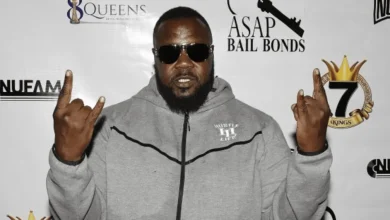

Veteran Ghanaian musician and entrepreneur D-Black has offered a breakdown of how record label deals work, especially the concept of recoupment and why artists sometimes feel tied to contracts even after their agreed term ends.
D-Black, who is founder and chief executive of Black Avenue Music, used examples from industry practice to explain that record labels often invest in artists by funding production, marketing, video shoots, and distribution. Under many contracts, the label must recover these costs before an artist can meaningfully profit or leave the deal.
Recoupment in music deals means the label can reclaim its initial financial outlay from future music revenues. In simple terms, before an artist earns royalties, the label takes its money back from sales, streams, shows, or other income streams. Only after this investment is recovered does the artist begin to earn.
In a recent social media discussion, D-Black highlighted that artists may seek to exit a contract because they feel their career has advanced beyond the original agreement. However, if the label has not fully recouped its investment, contractual terms can make it difficult for the artist to walk away outright.
He explained that this setup exists to protect the interests of a label that finances the early stages of an artist’s career. At the same time, it creates tension because the financial terms can delay an artist from moving on even when they believe their work under that label is complete.
D-Black’s explanation has sparked conversations among Ghanaian musicians and fans about transparency, fairness, and how creative professionals can negotiate better terms. One key takeaway has been the importance of understanding contract clauses before signing, particularly how recoupment affects future earnings.