
Palace Customs Explain Why Dreadlocks And Black Clothing Are Not Allowed At Gborbu Wulom’s Palace

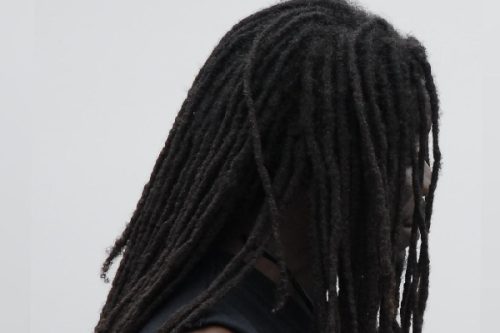
Traditional authorities at the palace of Gborbu Wulom, a paramount chief in the Upper East Region, have clarified why certain dress codes are enforced for visitors and subjects at the palace. Specifically, the customs prohibit people from wearing dreadlocks and black attire when entering palace grounds or participating in official palace functions.
According to palace officials, the rules are deeply rooted in local cultural beliefs and traditional protocols that guide respect for the chief and the community’s heritage. They emphasised that the palace is a sacred space where symbols, colours, and personal presentation all carry significant meaning.
Palace elders explained that dreadlocks are traditionally linked to mourning, ancestral spirits, and certain spiritual practices that do not align with customary palace ceremonies. For this reason, they said, dreadlocks are viewed as inappropriate for formal occasions in the presence of the chief, his council, or during festivals where positive energy and goodwill are emphasised.
Similarly, black clothing is understood in local custom to symbolise sorrow, loss, or bad luck. Palace authorities noted that black is reserved for mourning periods or funerals, and wearing it at the palace could be considered disrespectful or bring negative connotations during celebrations, enstoolment rites, or community gatherings.
The palace has urged visitors and community members to observe these dress customs out of respect for tradition and to maintain harmony within cultural practices. They emphasised that understanding and honouring these rules helps reinforce identity, unity, and reverence for chieftaincy institutions.
Elders also clarified that these guidelines are not meant to marginalise anyone, but to preserve cultural norms that have been passed down over generations. They encouraged people who are not familiar with the customs to ask questions or seek guidance before attending palace events.
Local residents have expressed varied responses, with many acknowledging the importance of cultural etiquette, while others say clearer public education about such rules could help reduce misunderstandings.
For visitors and tourists, palace officials recommend wearing bright or neutral colours and ensuring personal grooming reflects respect for the occasion and the chief’s authority.