
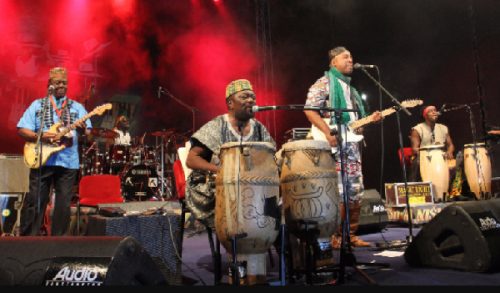
Highlife, one of Ghana’s most celebrated music genres, has a rich history that dates back to the early 20th century, but its first appearance in print is believed to have occurred around the 1920s when the term began gaining public recognition.
Historians explain that before the name “highlife” became widely accepted, the music already existed in different traditional forms influenced by local rhythms and cultural expressions. The term itself was later used to describe a style of music enjoyed by the elite, particularly in coastal cities, where live bands performed for well dressed audiences.
Over time, the name “highlife” became popular among ordinary people who associated the music with the upper class lifestyle they observed at these events. The label eventually stuck and evolved into the official identity of the genre.
However, Ghana’s first president, Kwame Nkrumah, was not entirely comfortable with the name. As part of his broader vision to promote African identity and cultural independence, he reportedly attempted to replace “highlife” with a more indigenous term.
According to historical accounts, Nkrumah sought to rebrand the genre to reflect African heritage rather than colonial influence. He proposed alternative names rooted in local languages, aiming to remove what he saw as foreign elements embedded in the term “highlife.”
Despite his efforts, the original name remained dominant. Musicians, audiences and the general public had already embraced “highlife,” making it difficult to replace. The genre continued to grow under its widely recognised name and became a symbol of Ghanaian identity both locally and internationally.
Highlife went on to play a major role in Ghana’s cultural and political landscape, especially during the independence era. It was used as a tool for national unity and expression, blending traditional African rhythms with elements of jazz and Western instruments.
Today, highlife remains a foundational genre in Ghana’s music industry, influencing modern styles such as hiplife and Afrobeats. Its enduring legacy highlights how cultural identity can evolve while still maintaining strong historical roots.