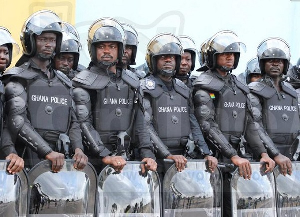

The European Union (EU) is preparing to sign a landmark defence cooperation agreement with Ghana that is expected to deepen military and security ties between the bloc and the West African nation. This pact marks the first formal defence agreement of its kind between the EU and Ghana and carries implications for regional stability and cooperation.
Under the agreement, the EU will work with Ghana to enhance training, advisory support, and capacity‑building for Ghana’s security forces. This aligns with ongoing EU security initiatives in West Africa, such as the EU Security and Defence Initiative in Support of West African Countries of the Gulf of Guinea, which aims to help partners respond to rising threats like terrorism, piracy, organised crime and other forms of insecurity affecting the region.
For Ghana, the deal offers access to expertise, equipment and joint training that could strengthen its ability to tackle evolving security challenges. These include issues such as piracy off the Gulf of Guinea, which remains one of Africa’s most dangerous maritime security threats, affecting trade, fishing communities and coastal economies.
Beyond bilateral cooperation, Ghana’s engagement with the EU reflects a broader trend of international partners seeking stronger defence ties with West African states. As regional blocs like the Economic Community of West African States (ECOWAS) play leading roles in responding to political crises and conflicts across the region, partnerships with external actors can bolster collective security frameworks and improve operational readiness.
The agreement is also expected to enhance strategic cooperation on defence governance and military professionalism. Joint training and advisory work with EU experts could help modernise command structures, improve defence planning and reinforce civilian oversight of military institutions.
While the details of implementation are still being finalised, the historic nature of this agreement signals a shift in how European and West African partners collaborate on shared security priorities. For Ghana and its neighbours, deepened cooperation could help address both local and transnational threats more effectively, while opening the door to future partnerships that support peace, stability and sustainable development in the region.