
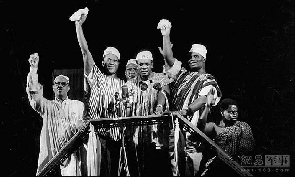
In the 1950s, long before Ghana became independent, its first president, Dr. Kwame Nkrumah, played a key role in promoting traditional Ghanaian clothing as symbols of national identity and unity. As part of what was later known as the “Wear Ghana” movement, Nkrumah deliberately embraced local textiles like kente and the Northern smock to foster cultural pride among Ghanaians.
Nkrumah regularly chose to wear clothing made from kente cloth, a richly patterned fabric from the Akan tradition, and the Ghanaian smock, also known as fugu or batakari, especially on important public occasions. His decision to wear these garments was intentional; it showcased Ghana’s cultural heritage at a time when Western dress dominated public life in many parts of Africa.
By draping himself in these traditional outfits at home and abroad, Nkrumah used fashion as a form of cultural diplomacy. He helped draw attention to Ghanaian textiles as national symbols and encouraged their appreciation among diverse ethnic groups within the country. His leadership in this area turned what were once regional garments into markers of Ghanaian identity and national unity.
The Wear Ghana philosophy that Nkrumah championed has endured. Today, kente and smock remain widely worn at state events, festivals and celebrations, representing not just fashion but cultural pride and historical significance for Ghanaians both at home and abroad.