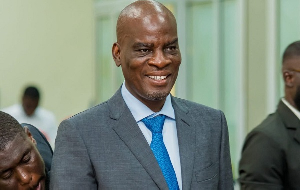

Former President John Agyekum Kufuor has proposed the creation of an independent body to vet key national appointments, arguing that such a system would strengthen Ghana’s democratic institutions and reduce excessive presidential influence in public appointments.
According to Kufuor, the current constitutional arrangement gives the President significant authority when appointing individuals to important public offices. He believes this concentration of power can create political imbalance and raise concerns about fairness and independence in governance.
To address the issue, the former president suggested establishing a non-partisan second chamber composed of experienced professionals and representatives from key institutions. This body would be responsible for vetting and approving individuals nominated to head independent state agencies and regulatory institutions.
Kufuor explained that such a chamber would operate within the law and function as an additional layer of checks and balances within the political system. In his view, transferring the vetting responsibility to a more neutral structure would help ensure that appointees can perform their duties independently without political pressure.
He emphasised that when appointments are scrutinised by an impartial body rather than being solely influenced by the executive branch, it can strengthen public confidence in institutions and promote accountability in governance.
The proposal also forms part of a broader discussion about improving Ghana’s system of governance. While Kufuor supports the country’s executive presidential system, he believes reforms are necessary to reinforce transparency and institutional independence.
Political analysts say the suggestion reflects ongoing national conversations about balancing executive authority with stronger institutional oversight. Supporters of the idea argue that an independent vetting chamber could help prevent political interference in state institutions, while critics believe existing structures within Parliament already provide sufficient oversight.