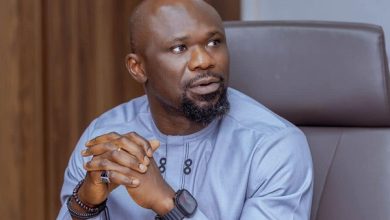

Ghanaian broadcaster Paul Adom-Otchere has sparked widespread discussion after outlining what he described as the key errors made by Dr Kwame Nkrumah during his time as Ghana’s first president. During a speech and interview, Adom-Otchere said it is important to look at both the achievements and shortcomings of Nkrumah’s leadership to understand Ghana’s history more fully and to learn lessons for the future. (ghanaweb.com
)
Adom-Otchere pointed out several areas where he believes Nkrumah’s decisions had negative consequences. One of the issues he cited was the rapid expansion of state enterprises and large-scale industrial projects that, in his view, were not always matched with solid planning or the economic conditions needed to sustain them. He argued that these ambitious projects contributed to financial strain and mounting debt in the early years of Ghana’s independence.
He also criticised what he described as centralisation of power under Nkrumah’s regime. Adom-Otchere said decisions were often taken by a small group of advisers close to the president, which he believes limited broader input and discouraged alternative perspectives on major national issues. He said that narrowing decision-making in such a way may have weakened the effectiveness of governance and allowed policies to go unchallenged even when they proved problematic.
Another point raised was the handling of political dissent. Adom-Otchere noted that in later years Nkrumah’s government increasingly relied on restrictive measures against opposition voices, culminating in laws that limited freedom of expression and political organisation. He said this approach ultimately stifled open debate at a time when new ideas and criticism could have helped address the nation’s challenges more constructively.
Adom-Otchere emphasised that his comments are not meant to deny Nkrumah’s significant contributions, such as leading Ghana to independence and championing Pan-African ideals. Rather, he said, it is equally important to scrutinise decisions that had long-term effects on economic and political developments after independence. He urged Ghanaians to reflect critically on their history so that lessons from both successes and failures can inform current leadership and policymaking.
The remarks have sparked a range of responses online and in public forums, with some agreeing that honest assessments are necessary for national growth, while others defended Nkrumah’s legacy and argued that his achievements should not be overshadowed by criticism. Supporters of Nkrumah say his vision and bold policies were appropriate for the circumstances of his time and laid the foundations for future development.
As debate continues within media and academic circles, many observers say discussions like this reveal how interpretations of historical figures evolve over time and how public dialogue about leadership and legacy remains an important part of Ghana’s democratic discourse.