Long before Ghana gained independence, one of the country’s leading nationalist thinkers, J. B. Danquah, envisioned a different name and identity for the nation. Instead of “Ghana,” he once proposed the name Voltaria, inspired by the mighty River Volta and its potential to symbolise unity across the land.
This idea reflected Danquah’s broader political philosophy: a belief that the country’s identity should be built around shared geography and collective destiny rather than ethnic or regional differences.
The Concept Behind “Voltaria”
According to historical references cited in the article, Danquah believed that naming the country Voltaria would give every citizen a common identity. By linking the nation to the River Volta, a natural feature that cuts across several regions, he thought all people could see themselves as part of one unified community.
Under this vision, citizens would be known as Voltarians, a national identity that transcended tribe, region, and political divisions. The name was meant to emphasise unity and national belonging, potentially reducing the strong ethnic affiliations that often shape political discourse in Ghana.
Danquah’s Role In Shaping National Thought
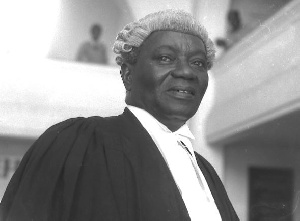
Danquah was one of the most influential intellectuals and political figures in the struggle for independence. A lawyer, scholar, and statesman, he was among the group famously known as the “Big Six,” leaders who played significant roles in Ghana’s nationalist movement.
His intellectual contributions went beyond politics. Danquah conducted extensive historical research on the Gold Coast and was instrumental in tracing links between the region and the ancient Ghana Empire, which later inspired the country’s eventual name.
Although the country ultimately adopted the name Ghana in 1957 after independence, the Voltaria concept highlights how deeply thinkers of that era reflected on national identity and unity.
A Vision Of Unity Beyond Ethnicity
The Voltaria idea reveals Danquah’s desire for a political culture built on shared citizenship rather than ethnic competition. By framing identity around the Volta River, he believed every person in the country could claim a collective heritage tied to the same land and resources.
While the proposal never materialised, it demonstrates the creative and philosophical debates that shaped Ghana’s early nationalist movement. Leaders of the independence era were not only fighting colonial rule; they were also imagining what kind of nation would emerge afterward.
Historical Reflections
Today, the name Ghana has become globally recognised and tied to the heritage of the ancient West African empire. Yet the Voltaria idea remains an interesting reminder that the country’s identity could have taken a different path.
Danquah’s proposal may have faded from mainstream discussion, but it still highlights an enduring question: how can a nation made up of many ethnic groups cultivate a shared identity strong enough to unite everyone under one banner?