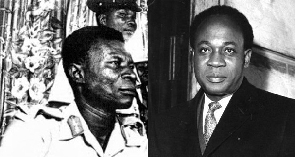
Lieutenant General Emmanuel Kwasi Kotoka was one of the key military figures in Ghana in the 1960s, and his death came at a moment of intense political tension within the country’s armed forces. Kotoka first became prominent as a leader of the group that overthrew the first president of Ghana, Dr Kwame Nkrumah, in a military takeover in February 1966. The group called itself the National Liberation Council (NLC), and it governed Ghana for several years after that event. (ghanaweb.com
)
Over time, divisions developed within the NLC leadership about the direction of the government and how power should be shared. Some members grew dissatisfied with aspects of the Council’s policies and with how leadership roles were being managed among the officers. This internal strain eventually led to disagreements that became difficult to resolve through discussion alone. The tensions were not simply personal, but reflected broader differences about governance and control of the nation’s security forces. (ghanaweb.com
)
On April 17, 1967, Kotoka was shot and killed by fellow soldiers during an attempted internal coup within the army ranks. The officer primarily held responsible for his death was Major Amedeka, who acted alongside others dissatisfied with Kotoka’s influence and decisions. This internal action was driven by the belief among some officers that Kotoka’s leadership was too dominant and that change was needed to prevent further unilateral decision making within the armed forces. (ghanaweb.com
)
Kotoka’s death shocked many Ghanaians because he had been a central figure in the 1966 change of government and a person with substantial authority in the military. In the years since, his passing has been discussed as part of Ghana’s wider history of military involvement in politics and the challenges of unity among leaders after political upheaval. Historians and commentators reference this episode when analysing how divisions among leaders can escalate when there are no peaceful mechanisms to address disagreements.