
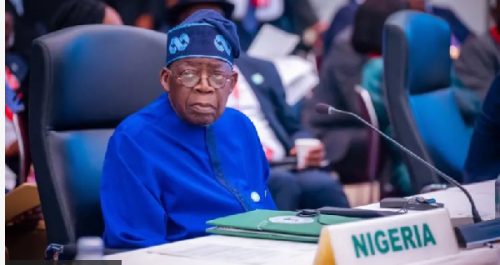
More than 60 countries are reportedly hesitant or unwilling to accept ambassadors recently appointed by Nigerian President Bola Ahmed Tinubu, raising concerns about Nigeria’s diplomatic relations abroad.
The situation is linked to a diplomatic rule followed by some countries that discourages accepting ambassadors from governments that have less than two years remaining in their term. Since Tinubu’s current administration is approaching the final phase of its tenure ahead of the 2027 presidential election, some nations are reportedly reluctant to approve the envoy nominations.
Tenure Concerns Behind The Rejections
According to diplomatic sources, several host countries believe that ambassadors sent by a government nearing the end of its term may serve only a short period before being replaced by a new administration. This uncertainty makes some governments reluctant to approve such appointments.
Officials explained that accepting an ambassador who may remain in office for less than a year could disrupt diplomatic continuity and require another replacement soon after a new government is elected.
India Among Countries Showing Reluctance
India is one of the countries reported to have expressed hesitation about accepting one of Nigeria’s ambassador-designates. Reports indicate that the country follows a policy that discourages accepting ambassadors from governments with less than two years remaining in office.
Under diplomatic procedures, a receiving country must first grant approval known as agrément before a newly appointed ambassador can begin work. Without this approval, the envoy cannot officially assume the position.
Ambassador Appointments Still Await Approval
President Tinubu recently approved the posting of 65 ambassadors and high commissioners to various countries and international organisations. However, many of these nominees are still waiting for official acceptance from host countries.
So far, only a few countries have reportedly granted approval for Nigeria’s new envoys, while many others are still reviewing the nominations or have signalled reluctance to accept them.
Possible Diplomatic Delays
Experts say the delay or rejection is not necessarily a reflection of the ambassadors themselves but rather concerns about timing and political uncertainty surrounding the upcoming election in Nigeria.
With the next presidential election scheduled for January 2027 and Tinubu’s first term expected to end in May 2027, some ambassadors might end up serving only a short period even if eventually approved.
Diplomatic analysts say Nigeria may have to rely on negotiations and strong bilateral relations with some countries to convince them to accept the envoy nominations despite the shortened timeline.