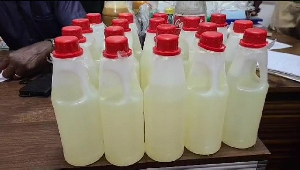
A woman has made a shocking revelation about the harsh and unhealthy conditions she and her family endure in Bulemi, a community within the Weija Gbawe Municipality of Accra.
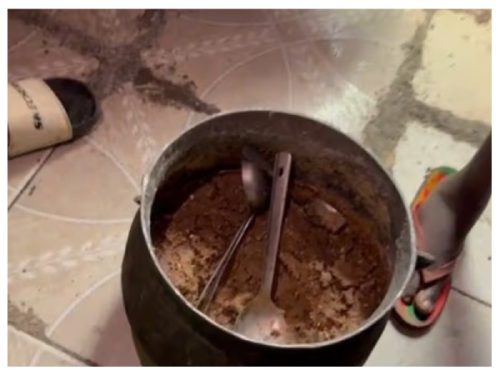
According to her account, the family has been living under extreme hardship, which has forced them into desperate survival measures. She claimed that due to their difficult circumstances, they sometimes resort to using unconventional and unsafe methods in preparing food.
The woman explained that their living environment lacks basic sanitation and essential resources, making daily life a struggle. She described how poverty and neglect have left them with limited options, pushing them into practices that raise serious health and safety concerns.
Her revelation has sparked widespread reaction among the public, with many expressing shock and concern over the situation. Some have called for immediate intervention from local authorities and social welfare institutions to assist the family and others who may be facing similar conditions.
The incident has also reignited discussions about poverty, sanitation, and access to basic necessities in parts of urban Ghana. Observers say it highlights the urgent need for improved living conditions, better waste management systems, and targeted support for vulnerable communities.
Authorities are being urged to investigate the claims and provide necessary assistance to ensure the health and dignity of affected individuals are protected.